Ceiling Mold Removal in Westport, MO
Mold is removed from affected ceilings in your Westport home, with damaged materials cleared and exposed cavities dried. Call 24/7 to start your assessment and cleanup.
- Moisture source checked
- Containment and HEPA filtration
- Clear cleanup and repair scope
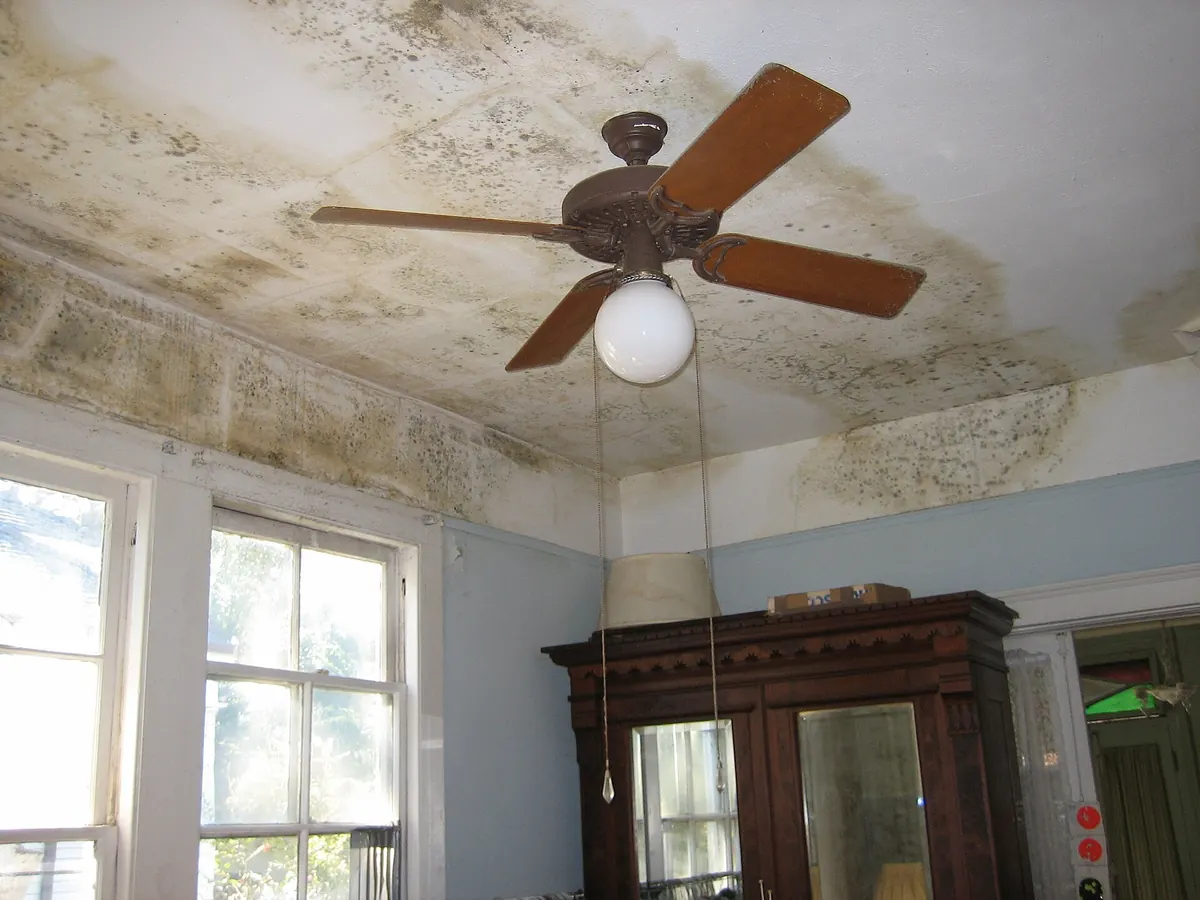
Ceiling Mold Removal Services for Westport Properties
Your cleanup includes tiles, painted surfaces and affected materials overhead. Tracing hidden moisture comes ahead of removal.
Sound ceiling joists and accessible non-porous surfaces are cleaned and dried. Unsalvageable porous materials are bagged inside containment.
Your written work scope lists ceiling repairs separately from cleanup. Plumbing leaks, roof leaks and condensation in the attic require different fixes. Materials are replaced only after drying and verification.
- Ceiling paint and surface assessment
- Contained ceiling drywall removal
- Insulation removal and removal of affected ceiling tiles
- Exposed joists cleaned and cavities dried
- Moisture checks before finish repairs
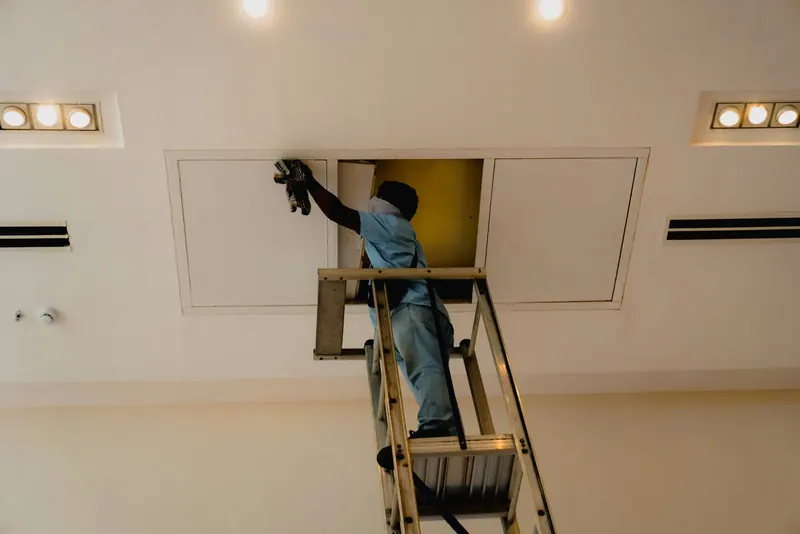
Signs That Call for Ceiling Mold Removal
Moisture over your room may show up as recurring spots, damp finishes or musty odors.
Growth on Your Bathroom Ceiling
Near your bathroom fan, repeated patches may appear alongside moisture above the finish or poor ventilation.
Spots on Your Bedroom Ceiling
Condensation and damp insulation may occur with growth beneath your attic or along exterior corners.
Black Spots on Ceiling Paint
Wiped spots may come back when affected material remains or a moisture source persists.
Peeling Paint Below Plumbing
Below an upstairs fixture, hidden moisture from a leak may leave paint bubbling or drywall soft.
Ceiling Stains After Rain
A roof leak reaching your ceiling cavity may show as water stains expanding after rain.
The Ceiling Mold Removal Process
Your ceiling job moves from assessment through contained removal, drying and final checks.
Ceiling Inspection
A moisture meter maps damp areas while ceiling access undergoes assessment. A thermal imaging camera reveals variations in temperature, without identifying mold.
Moisture Source and Scope
Removal follows an evaluation of leak and condensation pathways. Your scope sets containment boundaries alongside separately defined ventilation work or leak repair.
Ceiling Work-Zone Containment
Poly sheeting is placed under the damaged ceiling as a containment barrier. A HEPA air scrubber limits dust dispersal during tear out, alongside negative air pressure.
Damaged Ceiling Material Removal
Unsalvageable drywall, ceiling tiles beyond saving and affected insulation come out inside the designated work area. Debris is bagged inside containment before it leaves your room.
Joist and Surface Cleaning
A HEPA vacuum and damp cleaning are used on intact framing and suitable surfaces. Antimicrobial treatment, when appropriate, supplements physical removal of growth rather than replacing it.
Ceiling Cavity Drying
A dehumidifier and controlled air movers support drying of exposed materials after cleaning. Moisture readings track progress before insulation and ceiling finishes are replaced.
Post-Remediation Check
Cleaning, drying and agreed post-remediation verification are completed before containment comes down. Specified clearance testing is performed independently by an assessor ahead of closing the cleaned cavity.
Why Choose Kansas City Mold Removal Services for Ceiling Mold Removal
Calls Answered 24/7
One number starts your ceiling cleanup across the metro, including nights and weekends.
Removal Through Final Checks
Sound surfaces are cleaned and dried, damaged ceiling materials come out, and containment removal follows final checks.
Clear Scope and Contained Work
Your scope defines overhead access and removal boundaries, with containment and HEPA filtration matched to the damage.
Ceiling Moisture First
Before setting your removal scope, assessment tracks above-room leaks and condensation.
Before Ceiling Cleanup in Jackson County
Call to schedule a ceiling assessment, keeping the affected area untouched.
- Avoid damaged overhead areas. Avoid approaching sagging drywall or electrical fittings that are wet.
- Leave growth undisturbed. Avoid scraping or sanding your ceiling, and do not open the ceiling yourself.
- Limit airflow through growth. Avoid aiming a fan toward suspected contaminated HVAC equipment or mold.
- Stop an active leak safely. Use a reachable water shutoff only if access is safe.
- Arrange prompt drying. EPA recommends that you dry areas and items damaged by water within 24 to 48 hours to prevent mold growth.
Westport Ceiling Mold Removal Cost
Your price depends on access and hidden damage. These Fixr national ranges separate ceiling cleanup from roof or small leak repairs that correct the moisture source.
Ceiling mold removal
$1,000 to $9,000 per jobSource: Fixr, Mold Remediation Cost (checked 2026-10-23)Roof leak repair, fixes the cause not the mold
$400 to $2,500 per repairSource: Fixr, Mold Remediation Cost (checked 2026-10-23)Small leak repair corrects the source without removing mold
$150 to $350 per repairSource: Fixr, Mold Remediation Cost (checked 2026-10-23)What Affects Your Ceiling Mold Cleanup Cost in Westport
- Roof or plumbing leak above
- Drying and verification
- Containment and HEPA filtration
- Ceiling height and access
- Repair after remediation
- Affected area and hidden damage
Your Price for Ceiling Mold Cleanup
These published national ranges are planning figures. Your on-site assessment defines the work and price before cleanup starts, including any separate source repairs or rebuilding.
Call (844) 352-3560 about costCeiling Mold Removal Service Area Across Greater Kansas City
Call (844) 352-3560 to arrange cleanup in Westport or nearby communities. One number covers the metro.
Ceiling Mold Removal in Locations Near Westport
ZIP codes
What People Ask About Ceiling Mold Removal in Westport
How much time does ceiling cleanup need in Westport?
Your schedule is set after the ceiling and access route are assessed. The work involved in accessible surface cleaning differs from damaged drywall removal and joist drying. Use moisture readings to guide drying duration. Repairing leaks and installing replacement finishes also influence when you can reuse the room, as does any specified clearance testing.
Will mold return after the ceiling is cleaned?
A roof leak left unresolved, remaining plumbing problems or persistent condensation can let mold return. Before removal, your assessment tracks down moisture. Before closing the cavity, exposed materials undergo cleaning followed by drying. To help prevent damp conditions from returning to your ceiling, source repairs must be completed alongside humidity control.
Are repairs to the ceiling and the leak part of the work?
During assessment, finding the moisture source helps define the needed corrections alongside the cleanup work. Only roofing, plumbing, decorating and insulation replacement listed in your scope are included. Before work begins, separate repairs are identified. The cavity is dried and checked before replacement finishes cover the cleaned materials.
In Jackson County, what will ceiling cleanup cost?
The affected area, access into the cavity and your ceiling's height determine the price. The published cost cards above show the national removal range and separate cost factors. Damaged insulation, leak repair and rebuilding can change the total. The included work and pricing are defined in your scope ahead of removal.
Is removing the entire ceiling necessary?
Removal follows the assessed damage rather than the size or color of a water stain. Cleaning may suit accessible surfaces that remain sound; moldy drywall, ceiling tiles or insulation may require removal. Hidden growth can extend beyond the visible patch, so controlled cavity access may change the removal boundaries.
Can you remain at home during work on an open ceiling?
If the debris route and work zone remain isolated from occupied rooms, you might be able to stay. The room affected has restricted access throughout cleaning and removal. Practicality of staying depends on your household needs alongside hazards above and any shared ventilation. Access arrangements are set during your assessment ahead of containment installation.
Do you need testing around ceiling cleanup, before or afterward?
You often do not need air sampling for visible mold, according to EPA guidance. Moisture checks and inspection determine the scope and which surfaces are affected. Checks confirm cleaning and drying following removal, ahead of taking down containment. An independent assessor conducts any specified clearance testing. There is no federal limit for mold levels indoors.
Insurance and Ceiling Mold Cleanup in Missouri
Homeowners insurance coverage depends on the moisture cause, policy exclusions, mold limits and deductible. Roof or plumbing repairs, cleanup and ceiling rebuilding may receive different coverage decisions.
Safety Around Ceiling Mold in Greater Kansas City Homes
Opening and removing overhead materials happens within containment to limit spreading particles.
Mold Color
Color alone tells you nothing about how risky mold is, CDC says.
Sensitive Occupants
According to CDC, some people experience allergy and asthma symptoms triggered by mold.
Overhead Ceiling Damage
Wet fixtures or drywall that sags restrict entry beneath the damaged ceiling.
Ceiling Dust Control
Protective equipment limits exposure during removal, while HEPA filtration helps restrict the spread of mold spores.
Cleanup scope: For areas below about 10 square feet, EPA says homeowners can often do the cleaning. If damage is overhead or involves larger areas, contaminated water or HVAC systems, get professional help.
Cleaning or Removing Ceiling Mold Materials in Jackson County
The condition of each material guides cleanup or removal.
Non-porous surfaces
- Suitable washable surfaces receive cleaning and drying alongside metal ceiling grids in sound condition.
Porous materials
- You may be able to clean sound wood joists, but moldy insulation, drywall and tiles may need removing.
Ceiling finishes
- Drying and verification precede new drywall, ceiling paint and texture if your scope includes those finishes.
Ceiling Cleanup Timing in Jackson County
Your schedule follows access, removal, drying and repair after remediation.
- Overhead access: More work may be needed for high ceilings or entry through a unit upstairs.
- Cavity drying: Readiness for replacement finishes on exposed materials is determined by moisture readings.
- Room reopening: Rebuilding the ceiling, checking the finished work and repairing leaks influence your room's return to use.
Humidity and Ceiling Mold Odor in Westport
Investigating a musty odor includes checking moisture. Hidden growth in your ceiling cannot be located using smell alone.
EPA recommends indoor relative humidity below 60 percent, ideally 30 to 50 percent. Moisture control and completed leak repairs help protect the cleaned ceiling.
Missouri Requirements for Ceiling Mold Cleanup
Ceiling Work Requirements
Missouri does not appear to have a statewide license for mold assessors or remediators, and the state does not set mold exposure standards. Ask any contractor about their mold training and check local contractor rules.
Repair Permits
Whether permits are required depends on the electrical, structural or plumbing work involved.
Existing Ceiling Finishes
Assessment sets suitable precautions for a popcorn ceiling or unknown coating before any disturbance.
State Mold Information
The Missouri Department of Health and Senior Services has a mold page for the public, with the Bureau of Environmental Epidemiology listed as the contact.
State guidance: Missouri Attorney General, Landlord Tenant Law
Related Services and Next Steps
Start Your Ceiling Mold Removal in Westport
Call 24/7 to arrange your assessment. Your cleanup starts with the affected surfaces, moisture source and access to your home.